
Air Filter Size Guide: A Comprehensive Overview (Updated 01/22/2026)
Navigating air filter sizes can be tricky, as nominal and actual dimensions differ; understanding these variations is crucial for optimal system performance and air quality․
Understanding Nominal vs․ Actual Filter Size
When selecting a new air filter, it’s vital to understand the difference between nominal and actual sizes․ Nominal size is the approximate measurement, typically rounded to the nearest inch, and is what’s commonly printed on the filter’s packaging․ This is a convenient, easy-to-remember figure, but it isn’t the filter’s precise dimension․
The actual size, on the other hand, represents the filter’s exact measurements․ This value is always smaller than the nominal size․ For example, a filter labeled as “16x25x1” isn’t truly 16x25x1 inches; its actual size will be slightly less․ This discrepancy exists to allow for easy insertion and removal of the filter within the filter slot․
Ignoring this difference can lead to improper fit, reduced airflow, and decreased filtration efficiency․ Always prioritize the actual size when possible, or confirm that the nominal size will adequately fit your system․ Knowing this distinction ensures you choose the correct replacement and maintain optimal indoor air quality․
Why Correct Air Filter Size Matters
Using the correct air filter size is paramount for maintaining your HVAC system’s efficiency and protecting your indoor air quality․ An improperly sized filter – whether too small or too large – can lead to several issues, compromising performance and potentially causing damage․
Filters that are too small allow unfiltered air to bypass the filter media, reducing its effectiveness and circulating pollutants throughout your home․ Conversely, filters that are too large may not fit properly, causing strain on the filter frame or even obstructing airflow․
Restricted airflow forces your HVAC system to work harder, increasing energy consumption and potentially leading to overheating and premature wear․ Choosing the right size ensures optimal airflow, efficient filtration, and a longer lifespan for your valuable HVAC equipment․ Prioritizing correct sizing is a simple yet crucial step in responsible home maintenance․
Standard Air Filter Sizes Chart
Navigating standard air filter sizes requires understanding both nominal and actual measurements․ Nominal sizes are rounded to the nearest inch, while actual sizes are precise․ This difference is important when selecting a replacement․
Common sizes include: 16x25x1, 20x25x1, 14x25x1, and 20x20x1 inches․ These dimensions represent width, length, and thickness, respectively․ Remember to always verify the actual size printed on your existing filter before purchasing a new one․
Thickness variations also exist, with 1-inch filters being the most prevalent․ However, 4-inch and 6-inch filters are available for higher efficiency applications․ Consulting a comprehensive chart ensures you select the correct dimensions for your specific HVAC system․ Accurate sizing guarantees optimal performance and prevents airflow restrictions․

Common Air Filter Dimensions
Frequently requested sizes include 16x25x1, 20x25x1, 14x25x1, and 20x20x1 inches, catering to a wide range of HVAC systems and filtration needs․
16x25x1 Air Filters
The 16x25x1 inch air filter is a remarkably common size, frequently utilized in residential and light commercial HVAC systems․ This dimension refers to the nominal size, meaning the actual measurements will be slightly smaller․ These filters are readily available in a variety of MERV ratings, allowing homeowners and facility managers to select the appropriate level of filtration for their specific needs․
You’ll find 16x25x1 filters offered by numerous manufacturers, including Tier1, ensuring a competitive market with diverse price points․ When replacing a 16x25x1 filter, always double-check the dimensions printed on the existing filter to confirm compatibility․ Utilizing the correct size is paramount for maintaining optimal airflow and preventing damage to your HVAC equipment․ Consider purchasing filters in multi-packs for cost savings and convenient replacements throughout the year․
These filters effectively capture dust, pollen, pet dander, and other airborne particles, contributing to improved indoor air quality and a healthier living environment․
20x25x1 Air Filters
The 20x25x1 air filter represents another frequently encountered standard size within the realm of HVAC systems, particularly in residential settings․ Similar to other nominal sizes, the actual dimensions of a 20x25x1 filter will be marginally smaller than stated․ This size is designed to fit a wide range of furnace and air conditioning units, offering a balance between surface area for filtration and compatibility with common filter slots․
When selecting a 20x25x1 filter, consider the MERV rating to match your indoor air quality goals․ Higher MERV ratings capture smaller particles, but may restrict airflow if your system isn’t designed to handle them․ Regularly replacing this filter size – typically every 1-3 months depending on usage – is crucial for maintaining efficient HVAC operation and preventing dust buildup․
Ensure a proper fit by verifying the dimensions on your existing filter before ordering a replacement, guaranteeing optimal performance and air purification․
14x25x1 Air Filters
The 14x25x1 air filter is a commonly utilized size, frequently found in residential HVAC systems and offering a good balance between filtration area and physical dimensions․ As with all nominal filter sizes, remember that the actual dimensions will be slightly smaller than the labeled 14x25x1․ This size is particularly suited for systems requiring a moderate level of filtration without excessive airflow restriction․
Choosing the appropriate MERV rating for a 14x25x1 filter is essential․ A MERV 8 filter provides basic filtration, capturing larger particles like dust and pollen, while MERV 13 or higher filters offer superior performance against smaller allergens and contaminants․ Consistent replacement, generally every 1-3 months, is vital for maintaining optimal air quality and system efficiency․
Always double-check your existing filter’s size before purchasing a replacement to ensure a perfect fit and maximum filtration effectiveness․
20x20x1 Air Filters

The 20x20x1 air filter is a very popular choice, widely used in standard residential furnaces and air conditioning units․ This nominal size indicates an approximate measurement; the actual filter dimensions will be slightly smaller․ It’s crucial to verify the exact size printed on your current filter before ordering a replacement to guarantee a proper fit and prevent airflow issues․
When selecting a 20x20x1 filter, consider the MERV rating to match your specific needs․ A MERV 8 filter is suitable for basic dust and pollen removal, while a MERV 13+ filter provides enhanced filtration for smaller particles and improved air quality․ Regular filter changes, typically every 30-90 days depending on usage, are essential for maintaining system efficiency․
Ensure the airflow direction arrow on the filter matches the direction of airflow in your HVAC system for optimal performance․
Air Filter Thickness Variations
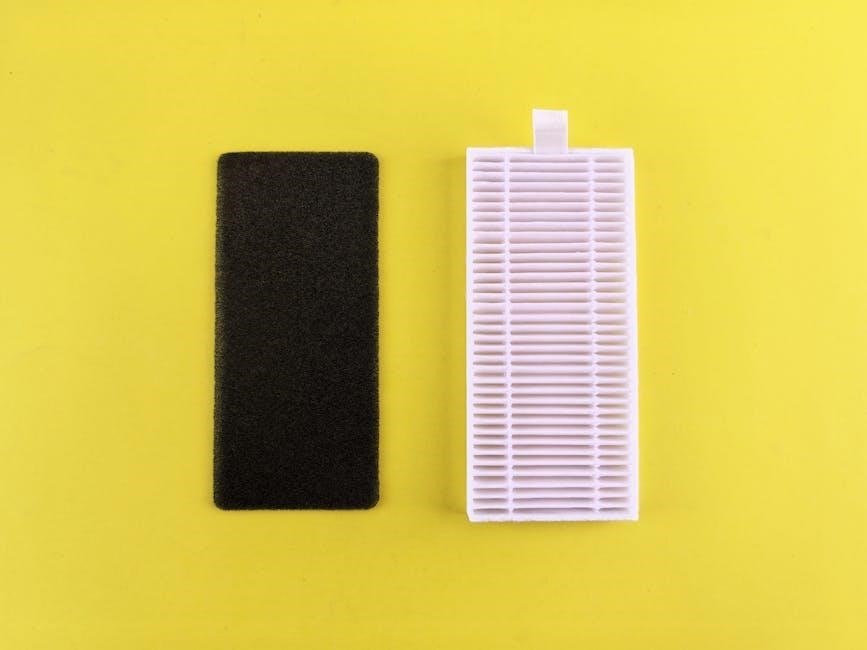
Air filter thickness significantly impacts filtration capability; options range from under one inch to six inches, influencing both efficiency and the HVAC system’s performance․

1-Inch Air Filters: The Most Common Type
One-inch air filters represent the industry standard for residential HVAC systems due to their affordability and widespread availability․ These filters strike a balance between cost-effectiveness and adequate air filtration for typical household dust, pollen, and pet dander․ They are compatible with the vast majority of furnaces and air conditioning units, making them a convenient choice for homeowners․
While offering sufficient filtration for basic needs, 1-inch filters generally have a lower MERV rating compared to thicker options․ This means they may not capture as many microscopic particles․ However, their lower airflow resistance ensures minimal strain on the HVAC system’s blower motor․
Regular replacement – typically every 30 to 90 days, depending on usage and air quality – is crucial to maintain their effectiveness․ Choosing the correct nominal size (e․g․, 16x25x1) is essential for a proper fit and optimal performance․ They are a practical solution for maintaining acceptable indoor air quality without significant investment․
4-Inch Air Filters: For High Efficiency
Four-inch pleated air filters are designed for superior air purification, offering a significantly larger surface area compared to their 1-inch counterparts․ This expanded surface area allows for greater particle capture and a longer lifespan before needing replacement․ They are particularly beneficial for individuals with allergies, asthma, or sensitivities to airborne pollutants․
These filters commonly boast higher MERV ratings – often MERV 13 or higher – capable of trapping smaller particles like bacteria, viruses, and smoke․ However, their increased density can create more airflow resistance, potentially impacting HVAC system efficiency․ It’s vital to ensure your system’s blower motor can handle the added pressure․
While more expensive upfront, the extended lifespan and enhanced filtration capabilities of 4-inch filters can provide long-term value․ Proper sizing remains crucial; confirm compatibility with your system before purchasing․ They represent a substantial upgrade for those prioritizing indoor air quality․
6-Inch Air Filters: Maximum Filtration
Six-inch pleated air filters represent the pinnacle of residential air filtration, delivering unparalleled performance for those demanding the highest indoor air quality․ Featuring an exceptionally large surface area, these filters maximize particle capture, extending filter life and minimizing system strain compared to frequent changes with thinner filters․
Typically paired with high-efficiency HVAC systems, 6-inch filters readily accommodate MERV 13+ ratings, effectively removing microscopic allergens, viruses, bacteria, and even some airborne odors․ However, their substantial density necessitates a powerful blower motor to maintain adequate airflow․ System compatibility is paramount․
While representing the most significant investment, the benefits – drastically improved air quality and reduced long-term filter costs – often justify the expense․ Accurate sizing is critical; verify dimensions before purchase․ These filters are ideal for homes with severe allergies, respiratory issues, or a desire for truly pristine indoor air․

MERV Ratings and Filter Size
MERV ratings indicate a filter’s ability to capture airborne particles; higher ratings trap smaller contaminants, but system compatibility must always be considered carefully․
What is a MERV Rating?
MERV, which stands for Minimum Efficiency Reporting Value, is a rating system used to measure the effectiveness of air filters․ Developed by the American Society of Heating, Refrigerating and Air-Conditioning Engineers (ASHRAE), the MERV rating indicates what size particles a filter can capture․ The higher the MERV rating, the more particles the filter will trap, leading to cleaner air․
MERV ratings range from 1 to 20․ Lower MERV ratings (1-4) are primarily designed to protect the HVAC system itself by capturing larger particles like dust, pollen, and carpet fibers․ These filters offer minimal air cleaning benefits․ Mid-range MERV ratings (5-8) capture more particles, including mold spores and pet dander, providing a good balance between system protection and air quality․ Higher MERV ratings (9-20) are capable of capturing very small particles, such as bacteria, viruses, and smoke, offering superior air quality but potentially restricting airflow if the HVAC system isn’t designed to handle them․
Filters with different MERV ratings can easily trap different sizes of contaminants, so choosing the right MERV rating is crucial for both air quality and HVAC system efficiency․
MERV 8 Filters: Basic Filtration
MERV 8 filters represent a solid entry point for improving indoor air quality while maintaining good HVAC system airflow․ These filters effectively capture particles between 3․0 and 10․0 microns in size, including pollen, dust mites, mold spores, and pet dander – common allergens that can irritate sensitive individuals․ They provide a noticeable upgrade over lower-rated filters, offering a balance between filtration efficiency and affordability․
Suitable for most homes and offices, MERV 8 filters are a practical choice if your primary concern is basic air cleaning and protecting your HVAC equipment from larger debris․ They won’t significantly restrict airflow, making them compatible with a wide range of systems․ If your filtration needs aren’t too complex, a filter with a MERV 8 rating could work perfectly for your home or office․
However, they won’t capture smaller particles like bacteria or viruses, so they aren’t ideal for individuals with severe allergies or respiratory conditions․
MERV 13+ Filters: Superior Air Quality
For those prioritizing exceptional indoor air quality, MERV 13 and higher-rated filters are the preferred choice․ These filters capture a significantly broader range of particles, including those as small as 0․3 microns – encompassing bacteria, viruses, smoke, and smog․ This level of filtration is particularly beneficial for individuals with allergies, asthma, or other respiratory sensitivities, as well as those concerned about airborne pathogens․
If your system can handle it, we recommend you could look for a MERV rating of at least 13 and preferably higher․ While offering superior protection, higher MERV ratings can potentially restrict airflow, so it’s crucial to ensure your HVAC system is capable of accommodating them․
Regularly changing these filters is essential, as they can become clogged more quickly due to capturing a greater volume of smaller particles․ Investing in a MERV 13+ filter is an investment in your health and well-being․

Determining Your Air Filter Size
Finding the correct filter size is straightforward: check your existing filter for dimensions, utilize a size selector tool, or carefully measure your filter slot․
Checking Your Existing Filter
The simplest method for determining your air filter size is to examine your current filter․ Carefully remove the existing filter from your HVAC system․ Look for printed dimensions located on the filter’s frame – typically displayed as Length x Width x Thickness․ Remember that these dimensions are often listed as the ‘nominal’ size, which is an approximation rounded to the nearest inch․
It’s important to note that the actual size of the filter will be slightly smaller than the nominal size printed on it․ Don’t rely on memory; always verify the dimensions directly on the filter itself․ If the dimensions are unclear or the filter is damaged, proceed to measuring the filter slot directly․ Replacing your filter with the exact same size is crucial for maintaining optimal airflow and system efficiency․ Ignoring this can lead to reduced performance and potential damage to your HVAC unit․
Using a Size Selector Tool
Many online retailers and HVAC suppliers offer convenient air filter size selector tools; These tools streamline the process of finding the correct filter for your system․ Typically, you’ll be prompted to enter three key dimensions: the width (representing the longest side of the filter), the depth (the shortest side), and the thickness․ Ensure you input these measurements accurately, as even slight discrepancies can affect performance․
These tools often provide a list of compatible filters based on your entered dimensions; Some tools also allow you to specify your HVAC system type for even more precise recommendations․ Utilizing a size selector tool can be particularly helpful if you’re unsure about nominal versus actual sizes or if the dimensions on your existing filter are illegible․ Double-check the suggested size before ordering to guarantee a proper fit and optimal filtration․
Measuring Your Filter Slot
If you’re unable to locate the dimensions on your existing filter, or if you’re starting from scratch, measuring the filter slot directly is essential․ Use a measuring tape to carefully determine the length, width, and depth of the opening where the filter slides in․ Measure to the nearest 1/8 of an inch for accuracy․ It’s crucial to measure the actual opening, not just rely on assumed standard sizes․
Remember that the nominal size is often larger than the actual size of the filter․ When comparing your measurements to available filter sizes, prioritize finding a filter that closely matches the actual slot dimensions․ A slightly smaller filter is preferable to one that’s too large and won’t fit properly; Accurate measurement ensures a snug fit, maximizing filtration efficiency and preventing air leakage around the filter․

Specialty Air Filter Sizes
Beyond standard dimensions, unique applications require specialized filters like air sock filters – ranging from 23 to 42 inches – and universal options for diverse needs․
Air Sock Filters (23-29 inches, Up to 30 inches tall)
Air sock filters represent a versatile filtration solution designed for systems requiring broad coverage and adaptable dimensions․ These filters typically span 23 to 29 inches in width across the top, accommodating a range of air handling units․ Their height extends up to 30 inches, providing substantial filtration capacity․
Often available with a mesh top option, air sock filters enhance durability and prevent media bypass, ensuring consistent performance․ They are particularly useful in situations where standard-sized filters don’t quite fit or when a more customized approach is needed․ The flexible nature of the sock design allows for easier installation and adaptation to irregular openings․
When selecting an air sock filter, carefully measure the available space to ensure a proper fit․ Consider the airflow requirements of your system and choose a MERV rating appropriate for your desired level of filtration․ These filters offer a cost-effective and efficient way to maintain air quality in various environments․
Air Sock Filters XL (29-42 inches)
For larger air handling systems and expansive filtration needs, Air Sock Filters XL provide a robust and adaptable solution․ These filters are designed to accommodate wider openings, ranging from 29 to 42 inches across the top, ensuring comprehensive coverage․ Like their standard counterparts, they maintain a maximum height of up to 30 inches, offering substantial filtration volume․
Frequently offered with a mesh top configuration, the XL versions enhance structural integrity and minimize the risk of media bypass, guaranteeing consistent air quality․ They excel in applications where conventional filter sizes are insufficient or impractical, offering a customized fit for unique system layouts․
Prior to purchasing, meticulously measure the filter slot to confirm compatibility․ Selecting the appropriate MERV rating is crucial for achieving desired filtration levels․ Air Sock Filters XL represent a practical and efficient method for maintaining optimal air quality in larger spaces and industrial settings․
Universal Air Filters & Dimension Search
Finding the perfect fit is simplified with our universal air filters and dimension search tools․ We stock a comprehensive range of sizes, ensuring compatibility with most HVAC systems․ Regardless of your specific needs – whether it’s a standard size or a less common dimension – we’re equipped to provide a solution․

Our size selector streamlines the process: simply input the width (longest side), depth (shortest side), and thickness of your filter․ Alternatively, browse our extensive Air Filter Sizes chart for quick identification and checkout․ For specialized applications, explore options like SPECTRE universal filters, including crankcase vent filters, identified by precise dimensions like 174x164x40 mm․
We prioritize convenience and accuracy, offering a user-friendly experience to locate the ideal filter for your system․ Don’t hesitate to utilize our resources to ensure optimal performance and air quality․

Filter Change Intervals & Maintenance
Regular filter changes are vital for system efficiency and indoor air quality; recommended intervals depend on usage, material type, and environmental factors, typically ranging from 30 to 90 days․
Recommended Change Intervals (Based on Usage)
Determining the ideal air filter change interval isn’t a one-size-fits-all scenario․ It heavily depends on your specific circumstances and usage patterns․ For minimal usage, such as a vacant home or a system running infrequently, a change every 6-12 months might suffice․ However, for standard household use with typical activity levels, a 30-90 day interval is generally recommended․
Several factors can accelerate the need for replacement․ Pet owners, for instance, should consider changing filters monthly due to pet dander․ Similarly, households with allergy sufferers or those living in areas with high pollen counts or dust should also opt for more frequent changes – every 20-30 days․ If you operate your HVAC system constantly, especially during peak seasons, monthly replacements are advisable․ Regularly inspecting your filter visually is also a good practice; if it appears dirty or clogged, it’s time for a change, regardless of the scheduled interval․
Air Filter Material Types
Air filters aren’t simply defined by size and MERV rating; the material they’re constructed from significantly impacts performance and suitability․ Common materials include fiberglass, pleated paper, and electrostatic filters․ Fiberglass filters are the most basic and affordable, offering minimal filtration – primarily protecting the HVAC equipment itself․ Pleated filters, constructed from cotton or polyester, provide superior filtration, capturing more dust, pollen, and allergens․
Electrostatic filters utilize electrically charged fibers to attract and trap particles, offering a balance between filtration efficiency and airflow․ Washable filters, often made of foam or synthetic materials, are reusable, reducing waste but potentially offering lower filtration levels if not maintained properly․ Beyond these, specialized filters like HEPA filters provide the highest level of filtration, removing up to 99․97% of airborne particles, ideal for those with severe allergies or respiratory issues․ Selecting the right material depends on your specific needs and budget․
Crankcase Vent Filter Sizes (Example: 174x164x40 mm)
While typically discussing HVAC filters, it’s important to acknowledge specialized applications requiring unique filter dimensions․ Crankcase vent filters, for instance, are crucial for maintaining engine health in various machines․ These filters, often smaller and with specific shapes, prevent contaminants from entering the crankcase․ A common example, as seen with STP filters, measures 174mm in length, 164mm in width, and 40mm in height․
These dimensions are critical for a proper seal and effective filtration․ Replacement intervals are often specified in kilometers, indicating usage-based maintenance․ Searching by dimension is key when sourcing these filters, as standard HVAC sizes won’t apply․ Universal filters or dimension-specific searches are essential for finding the correct fit․ Ensuring the correct crankcase vent filter size protects your engine and prolongs its lifespan, demonstrating the importance of precise sizing across all filtration needs․